For Belarus, Egypt is probably the most understandable and accessible of African countries. The two states have a long history of cooperation in many areas, there are direct air flights, and North African beaches are favourite holiday destinations for many Belarusians. However, Egypt means not only excellent resorts, but also good business. Ambassador Terentyev shares some tips of trading with northern African countries.
What countries, apart from Egypt, fall under the Embassy’s responsibility? Are there any specific features to be aware of when trading with them?
The Ambassador of Belarus to Egypt is accredited to three African countries: Egypt, Sudan, Algeria, and one Asian country - Oman. Each state is distinguished by its own level of economic development, has a different volume of trade and economic relations with Belarus, and has a specific culture and mentality.
Egypt
Belarus supplies the country with agricultural machinery and trucks, equipment, food products and fertilisers. High competition in the market, especially from Asian and Western countries, demands goods to be sold relatively cheap. Now the goal is to intensify industrial co-operation with Egypt. Belarus-made vehicles for agriculture, cargo and municipal transport are already well-known here. The visit of Prime Minister Roman Golovchenko to Cairo in April 2024 opened new vistas for joint work, including in the water technologies and agricultural sectors.
Sudan
The interest for co-operation with this country has been steadily growing in recent years. That is especially valid for the agricultural sector, i.a. machinery supply for the agro-industrial complex. However, the military and political instability in Sudan has a negative impact on the business environment and security of transactions. The Embassy is monitoring the situation and stands ready to assist Belarusian companies in their dealings with bona fide partners in Sudan.
Algeria
This is an extremely attractive and ample market. Belarus exports agricultural products, various machinery and equipment there. However, Algerian legislation often privileges local producers and creates extra difficulties for foreign companies seeking to enter the market. As a consequence, both sides are taking steps to expand their industrial cooperation.
Oman
Omani business can also be very helpful in bringing Belarusian goods to Africa, especially to the East of the continent. Besides, Oman appears a lucrative market for the export of Belarusian machinery, equipment and agricultural products. It is important to take into account local traditions and business practices, which may differ from those in Belarus. For example, Omanis value long-term business relationships, so one is well-advised to invest time in building durable networks.
Do Belarus and Egypt have any trade and economic agreements between them? What parts of these documents can be most interesting to Belarusian business?
The bilateral legal framework comprises 57 documents. They include an agreement laying the basis of relations and cooperation between the Republic of Belarus and the Arab Republic of Egypt, a trade agreement, agreements on economic, research and technological cooperation, promotion and mutual protection of investments, avoidance of double taxation, cooperation on science, technology and customs, as well as a number of interministerial memorandums.
This framework keeps expanding all the time in lockstep with the developing Belarusian-Egyptian relations. For instance, following the visit of the Belarus’ government delegation to Egypt in April 2024, the following new documents were signed:
– Agreement between the Government of the Republic of Belarus and the Government of the Arab Republic of Egypt on the system of mutual trade facilitation;
– Memorandum of Understanding between the National Academy of Sciences of the Republic of Belarus and the Ministry of Agriculture and Land Reclamation of the Arab Republic of Egypt;
– Memorandum of Understanding between the National Agency for Investment and Privatisation of the Republic of Belarus and the General Directorate of Investment and Free Zones of the Arab Republic of Egypt.
They were designed to take the trade and economic relations between our countries even further, primarily by simplifying administrative procedures and business conditions.
In February 2020, a memorandum was signed to establish a High-Level Commission for Bilateral Cooperation and Political Dialogue between the Republic of Belarus and the Arab Republic of Egypt at the foreign ministers’ level.
The existing bilateral framework allows Belarus to tap into the benefits of the free trade agreements whereof Egypt is a member. The COMESA and GAFTA Agreements, as well as the Association Agreement with the European Union, are of particular relevance for us. Zero customs duties for goods produced in COMESA and GAFTA countries, together with a well-qualified local labour favour the establishment of production facilities in Egypt.
Background note
1. The Common Market for Eastern and Southern Africa (COMESA) agreement was signed on 5 November 1993. Egypt joined the organisation on 29 June 1998. COMESA has 21 member states: Burundi, Congo, Comoros, Djibouti, Egypt, Eritrea, Ethiopia, Kenya, Libya, Madagascar, Malawi, Mauritius, Rwanda, Seychelles, Somalia, Sudan, Swaziland, Tunisia, Uganda, Zambia, Zimbabwe.
2. The Greater Arab Free Trade Area (GAFTA) was established under the Agreement on the Facilitation and Promotion of Trade among Arab Countries of 1981. The agreement was endorsed by the Council for Social and Economic Affairs of the Arab League and 17 countries in 1997. Currently, 18 countries are members of the zone: Algeria, Bahrain, Egypt, Iraq, Jordan, Kuwait, Lebanon, Libya, Morocco, Oman, Palestine, Qatar, Saudi Arabia, Sudan, Syria, Tunisia, UAE, Yemen.
3. On 25 June 2001, an Association Agreement was signed between Egypt and 15 European Union member states, providing for the step-by-step establishment of a free trade area over a transition period not exceeding 12 years from the document’s entry into force. In 2010, the parties agreed on specific terms for preferential trade in agricultural goods, processed agricultural products and fishery products, including import quotas. Industrial goods are free of customs duties or other charges. Localization requirements are in line with the Mediterranean countries’ rules of origin - a minimum 60 per cent of the components must be made in Egypt or the EU.
At the same time, it would hardly be wise to set up assembly plants of one brand in one trading bloc. This would lead to know-how dispersion and unnecessary intra-brand competition. Therefore, Belarusian companies are well-advised to focus at this stage on the implementation of the ongoing machinery assembling projects in Egypt and further diversification of the product mix and target markets.
One might also consider extending the cooperation to both traditional industrial sectors (assembly of buses, granaries and dryers look especially promising) and new spheres. There is a permanent demand for food products in Egypt and other African countries. Our country's vast experience in dairy and meat processing creates a serious basis for similar joint projects in Egypt. Egyptian businessmen have on numerous occasions showed their interest to engage with our enterprises in these areas.
Egypt's free trade agreements with various countries also open important opportunities in terms of Belarus’ access to critical imports, primarily from the EU. Egyptian businessmen are willing to act as intermediaries for the purchase of such goods. On the other hand, thanks to the country’s EU association agreement, one can export industrial goods from Egypt to Europe duty-free. This option is worth considering in the context of restoring the presence of Belarusian products in European markets.
What one needs to keep in mind while exporting to Egypt and other countries of the Embassy's responsibility?
1. Customs regulations. It is vital to know Egyptian customs regulations and procedures. One should carefully prepare all necessary documents: invoices, packing lists, certificates of origin etc.
2 Licensing and certification. Some goods require special licences or certificates. For instance, there are strict certification requirements for food, cosmetics and medical goods. Thanks to the support of Belhalal LLC, there is now a clear and workable model for halal-certification of Belarusian foodstuffs.
3. Quality standards. Egypt has its own quality and safety standards for various goods. Please make sure your products meet these standards to avoid delays at customs.
4. Duties, taxes and fees. One should be aware of local import taxes such as customs duties, VAT and other fees, as they can have a significant impact on the final product cost. Importantly, talks are now underway to sign a Free Trade Agreement between the Eurasian Economic Union and its member states, on the one hand, and the Arab Republic of Egypt, on the other. However, the end of the process is not in sight yet.
5. Culture and business ethics. Understanding cultural sensitivities and business ethics in Egypt is essential for building trust. Please make sure to respect local customs and traditions. Egyptian businessmen have their own business ethics, a special, different from European, understanding of doing business, a kind of ‘code of honour’ they expect their foreign partners to observe, too.
Some exporters complain about the business practices in Egypt being among the most difficult in the Middle East and Asia. They are commonly described as sluggish. For cultural and climatic reasons, local entrepreneurs tend to deal with things in an unhurried way. Here responding to an offer may take quite a while, and repeated reminders are routine.
But the situation is changing, thanks i.a. to information technologies. Besides, young people actively embrace the Western business model, making troubleshooting faster.
Dealing with Egyptian partners is very much personalized and sensitive to regular informal contacts. Egyptians love to see and touch the products for themselves, communicate and regularly touch base with suppliers and producers, and not just the Embassy staff. Otherwise, they quickly lose interest.
6. Language. Although many Egyptians and Sudanese speak English, knowledge of Arabic is an advantage when communicating with locals. As for Algeria, French and Arabic are spoken here, so presentations in English are not the best option.
7. Financial aspects. Make sure you have a clear idea of payment terms and currency risks. Use of secure payment methods, e.g. letters of credit, is highly recommended.
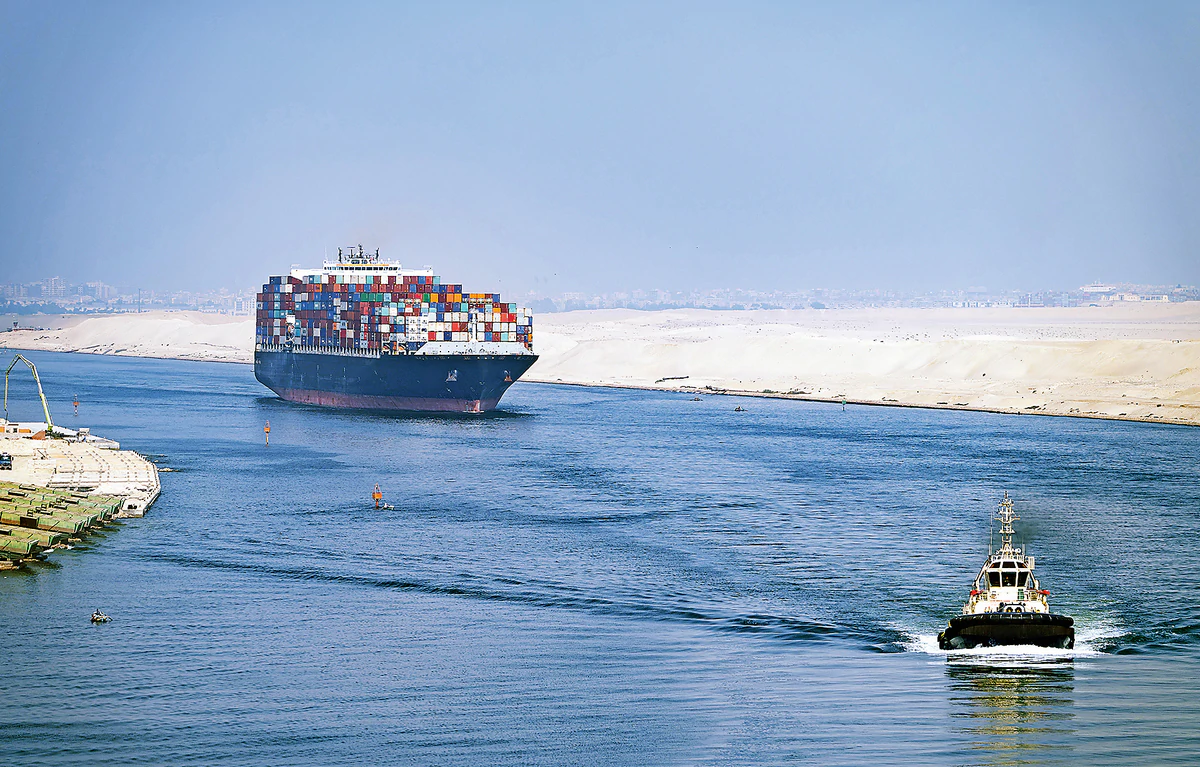
However, it is not always possible to deal with Egyptians on prepayment terms because of objective financial difficulties. Geopolitics has had a negative impact on the country’s economy. The aggravation of the Israeli-Palestinian conflict made tourism decline and Suez Canal revenues drop by a half.
Support from international financial institutions such as the IMF, World Bank, regional financial institutions and regional partners is crucial for Egypt. Egyptian importers now enjoy access to hard currency, which contributed to the revival of international export-import operations, i.a. with Belarus. There is every reason to expect a further rise of the Belarus-Egyptian trade.
8. Local partners. Reliable local distributors or agents can make the penetration of African markets much easier, reducing risks. Flexible mechanisms such as third-country traders or alternative settlement options are used. Egyptian law allows such transactions between private companies, while barter involving state companies is banned by the rules of WTO, of which Egypt is a member.
What help can the Embassy offer to Belarusian exporters who decided to trade with Egypt?
We offer the following forms of assistance:
1. Information support. This includes briefings on the Egyptian market status, demand for Belarusian goods, competition and regulatory requirements.
2. Networking. The Embassy facilitates contacts with local companies, potential partners and buyers, organizes business fora and other events. Thanks to numerous well-established contacts in Egypt, Algeria, Sudan and other countries, we are well-placed to provide such support. At the same time, this does not excuse Belarusian companies from maintaining and building up their own networks. In Egypt, as well as other Middle East countries, personal relationship is paramount. One learns more over a private cup of tea here than over the phone or at online meetings.
3. Negotiation assistance. We accompany and assist Belarusian companies in their talks and dispute-settlement with Egyptian counterparts.
4. Logistics advisory. The Embassy tenders advice on logistics, including transportation of goods, storage and customs procedures. Belarusian enterprises get help with the use of the electronic cargo clearance platform, launched by Egypt in October 2021. Recommendations to register with the CargoX system (mandatory for exporters to Egypt) were previously sent to competent government agencies and enterprises in Belarus.
5. Legal Assistance. The Embassy can advise on legal issues related to export and import, as well as recommend reliable law firms in the countries of its responsibility.
6. Promotional and marketing assistance. This includes help in organising exhibitions and presentations of Belarusian goods. The Embassy has a long history of cooperation with the UE ‘Belinterexpo’ and RUE ‘National Centre for Marketing and Price Study’ on these matters.
7. Raising awareness of local state programmes, including export support programmes and other initiatives that may be useful for Belarusian companies. For example, the ‘Dignified Life’ (Haya Karima) rural development programme launched by the President of Egypt has significantly transformed the Egyptian province, and may be of great interest to our mechanical engineering companies.
What are the best logistics options to bring goods to Egypt and other African countries?
The choice between sea, air or land transport depends on the type of goods and delivery time. There are many temporary storage warehouses in major cities and port areas. This helps to optimize logistics and speed up delivery.
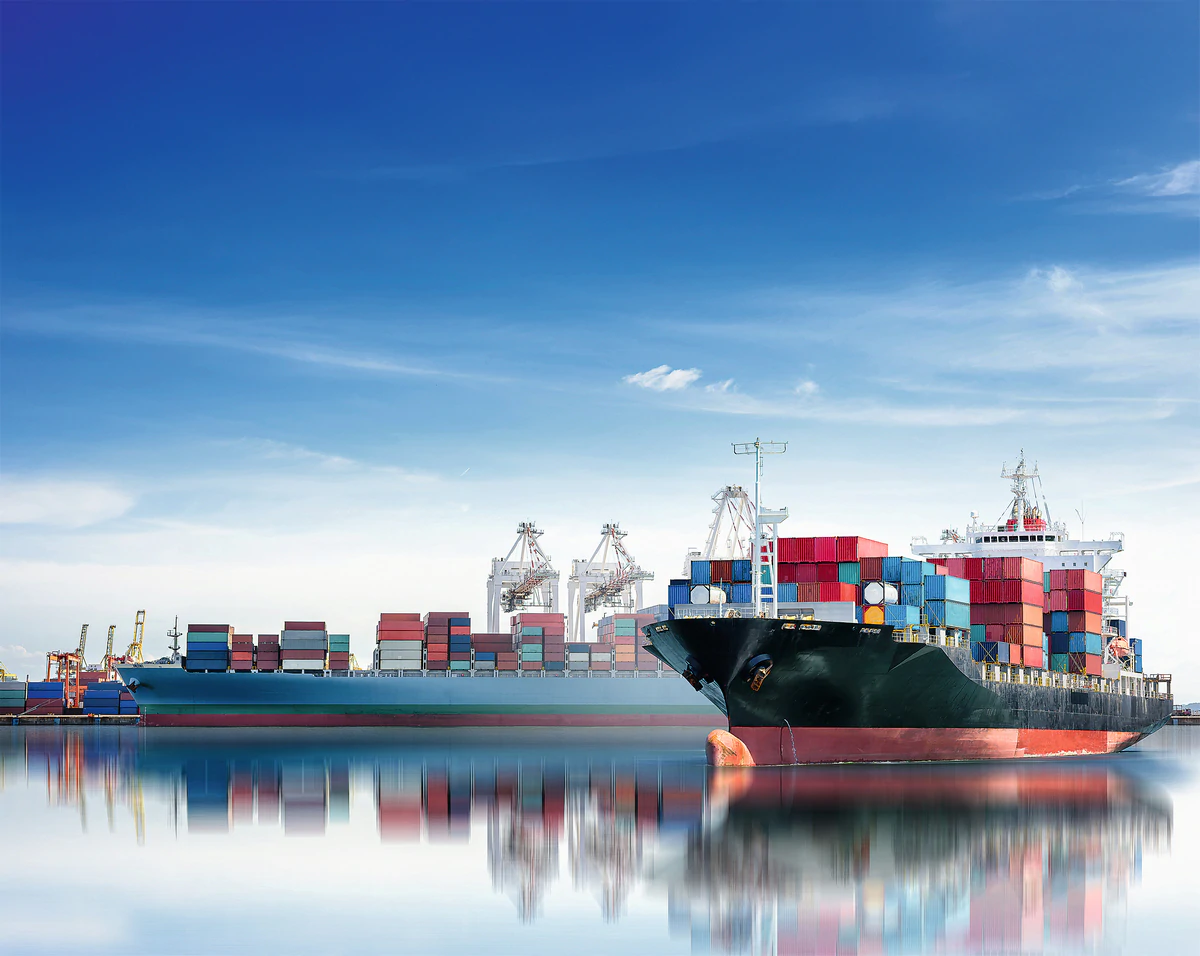
The most common way to ship goods to Egypt, especially large and heavy cargoes, is by sea. The main ports are Alexandria, Port Said, Damietta (all on the Mediterranean Sea), Ain Sokhna and Safaga (Red Sea).
Air transport is usually used for urgent or valuable deliveries. Cairo's main international airport receives flights from many countries. At the same time, airports that receive charter flights from Belarus, such as Hurghada and Sharm el-Sheikh, do not provide regular customs services for commercial cargoes.
Land transport can be used for Belarusian goods travelling to Sudan via Egypt when the cost of the Suez Canal services makes sea transport too expensive.
One should keep in mind that logistics in Egypt is prone to risks such as port congestions, red tape, customs delays, and poor infrastructure in some regions. There are many local and international logistics companies that offer transport, customs clearance and warehousing services. They can aid with the paperwork and optimise the supply chain. The Embassy is able to recommend such reliable Egyptian logistics companies.
Can Egypt be considered a stopover for Belarusian goods en route to other African countries?
Egypt can be considered a transit hub for Belarusian goods travelling e.g. to Sudan and Libya. The development of transport infrastructure, including roads, railways and airports, contributes to more efficient logistics and delivery of goods across the continent.
Egypt has several major ports on the Mediterranean Sea and Red Sea. They act as important sea hubs and play an important role in the country’s international trade.
Egypt is upgrading its logistics and warehousing capabilities. For example, special cargo handling zones are being established in the Suez Canal area and on the Red Sea coast, turning Egypt into a strategic regional trading point.
To summarize, the Embassy plays a very active supporting role, helping Belarusian exporters successfully penetrate the Egyptian market. However, this does not diminish the importance of the strong effort our companies need to take on their own in the exceptionally interesting and promising markets of Africa and the Middle East.


 Subscribe to news